Principles of Practice

Foundational concepts for understanding and engaging in mindful movement and structured physical practice.

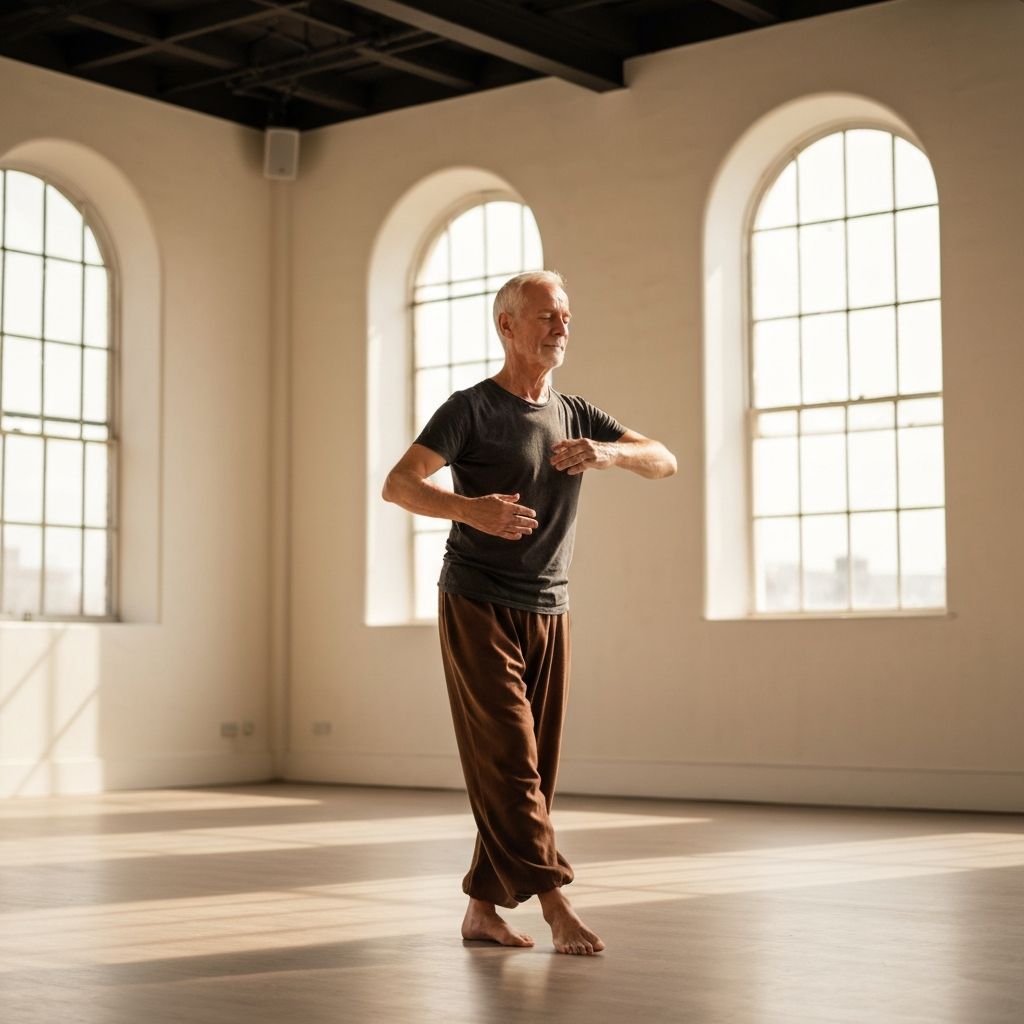
Person engaged in gentle flowing movements in bright studio

Foundation Principles

Principle 1: Body Awareness as Foundation

The first step in any meaningful movement practice is developing awareness of the body's position in space, the sensations within muscles and joints, and the quality of movement. This proprioceptive awareness enables conscious engagement with movement rather than habitual, unconscious motion.

Body awareness is cultivated through slow, deliberate practice with attention directed inward. This mindful engagement allows practitioners to recognize asymmetries, areas of restriction, and habitual patterns that may influence movement.

Principle 2: Progressive Development

Physical capabilities develop gradually through consistent engagement. Improvements in flexibility, strength, and mobility occur incrementally over weeks and months of practice rather than through sudden, dramatic changes.

Sustainable development requires respecting the body's current capacities while thoughtfully challenging them. The goal is consistent, manageable progress rather than forcing rapid advancement.

Principle 3: Respecting Structural Variation

All bodies possess individual structural characteristics determined by genetics, age, training history, and prior experience. These variations mean that identical practices will produce different results for different individuals.

Understanding and accepting these natural variations is essential. Rather than comparing to external standards, practitioners benefit from attention to their own baseline and their own gradual improvements.

Core Techniques

Controlled Stretching

Gentle, progressive stretching performed within comfortable range, held briefly to allow gradual adaptation. Effective stretching emphasizes sensation and feedback rather than pushing to maximum range.

Stability Engagement

Conscious activation of stabilizing muscles, particularly in the core region, performed with controlled movement. This builds functional strength and supports proper alignment in daily activities.

Mindful Integration

Bringing awareness developed in structured practice into daily life. This includes attention to posture during sitting, standing, and walking, and conscious movement breaks throughout the day.

Practical Considerations

Frequency and Duration

Regular, consistent practice is more beneficial than occasional intense sessions. Engagement of 15-30 minutes most days of the week supports progressive development more effectively than sporadic longer sessions.

Consistency creates neural adaptations that contribute to improved function and gradually enhanced capabilities.

Individual Capacity

Each individual possesses a unique starting point based on age, activity history, existing physical conditions, and personal goals. Practices should be calibrated to individual circumstances rather than imposed externally.

Attention to bodily signals—distinguishing between healthy challenge and pain or injury risk—is essential for sustainable practice.

Environmental Factors

A calm, comfortable practice environment supports focus and engagement. Good lighting, appropriate temperature, and minimal distractions enhance the quality of practice and the development of body awareness.

Integration with Daily Life

The principles learned through structured practice extend into daily movement. Carrying awareness of posture, movement quality, and body positioning into routine activities amplifies the benefits of formal practice sessions.

Understanding Limitations

Natural Range Variation

Range of motion varies significantly among individuals based on anatomical structure. Some people naturally possess greater flexibility; others have structural characteristics that limit maximum range. These variations are normal and natural.

Age-Related Changes

Physical capabilities change throughout the lifespan. While consistent practice supports the maintenance and gradual enhancement of function at any age, expectations should be appropriately calibrated to life stage.

Recovery Dynamics

The body requires adequate recovery between practice sessions. Rest, sleep, and nutrition significantly influence adaptation to practice and capability development.

Limitations and Context

The principles presented here describe general concepts about movement practice and physical development. They do not constitute medical advice, treatment recommendations, or individual guidance.

Individuals with existing injuries, chronic conditions, or health concerns should consult appropriate healthcare professionals before beginning new movement practices. The principles described here are educational and general in nature.

This website does not provide personalized assessment, diagnosis, or treatment recommendations. Individual practice should be informed by personal health status and professional guidance when appropriate.