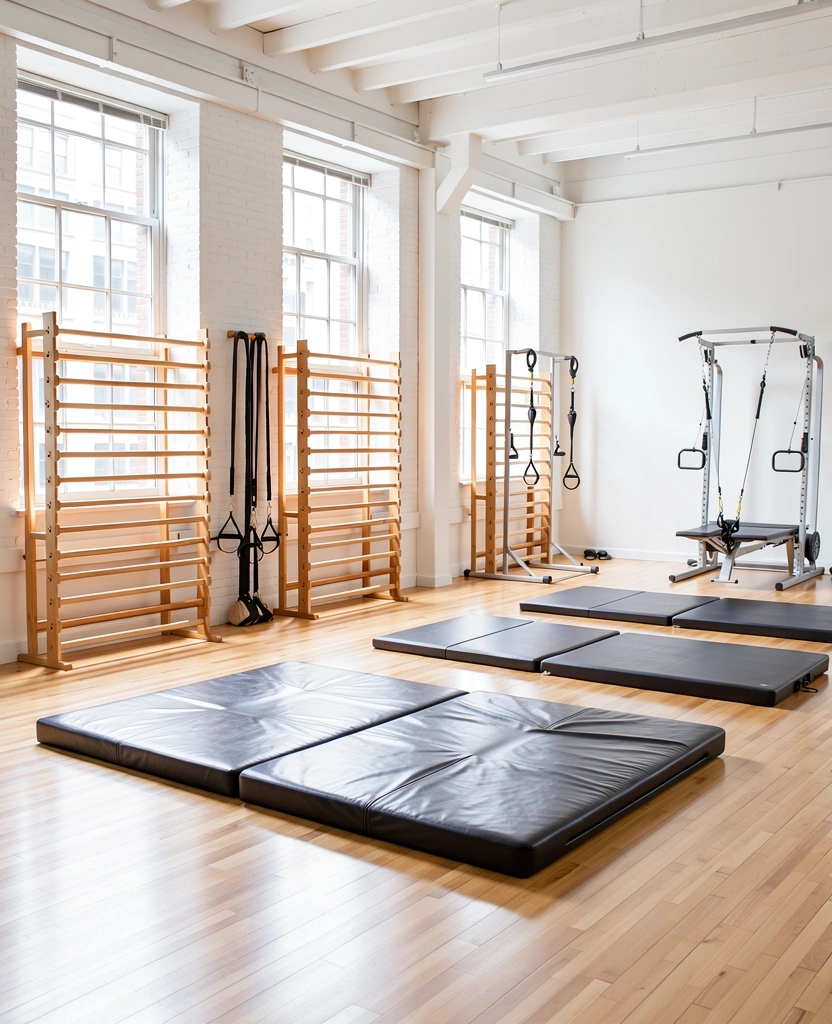
A Foundation for Mindful Movement

Exploring the Principles of Body Mobility, Strength, and Flexibility Through Structured Practice

Welcome to Irgoran, an educational resource dedicated to understanding the fundamental principles of human motion, the benefits of consistent physical activity, and the techniques for enhancing joint flexibility and core strength through mindful, structured practice.

Educational content only. No promises of outcomes.

Explore Concepts
Person practicing mindful movement in serene studio setting

Understanding Movement

Principles of Human Motion

Human movement is a complex interplay of skeletal structure, muscular coordination, and neural control. By understanding these fundamental principles, we can appreciate how the body functions and the importance of maintaining mobility and flexibility throughout life.

Movement practices that respect the body's natural mechanics can contribute to improved posture, enhanced awareness of bodily position and motion, and a greater sense of physical balance in daily activities.

Abstract visualization of movement and neural pathways

Flexibility and Joint Mobility

Joint flexibility is the ability of a joint to move through its full range of motion. This capacity naturally varies among individuals and can be influenced by age, genetic factors, activity level, and consistent practice.

Progressive Enhancement

Through structured, consistent practice, individuals can work toward maintaining or gradually enhancing their natural range of motion. This process requires patience, regular engagement, and attention to the body's signals and limitations.

Gentle stretching techniques, performed mindfully and without forcing movement, form the foundation of flexibility development.

Person performing gentle forward fold stretch

Core Strength and Stability

Core strength refers to the stability and functional capacity of the muscles in the trunk region, which support the spine and facilitate efficient movement patterns. A strong core is fundamental to maintaining proper posture and supporting daily physical activities.

Building Foundation Through Practice

Structured exercises focusing on controlled movement and body awareness can help develop and maintain core stability. These practices emphasize engagement and stability rather than repetitive, high-intensity work.

Consistent practice in core engagement contributes to improved postural stability and reduced strain on the lower back during everyday activities.

Person demonstrating controlled core engagement exercise

Posture and Ergonomic Awareness

Posture refers to the alignment and positioning of the body segments in space. Maintaining awareness of posture throughout daily life is essential for reducing unnecessary strain on joints and muscles.

Mindful Body Positioning

In modern life, many activities—such as desk work, device use, and prolonged sitting—can create postural challenges. By developing body awareness and understanding ergonomic principles, individuals can make conscious adjustments to their positioning.

Gentle movement breaks, stretching, and awareness practices integrated into daily routines support healthier postural habits and overall physical comfort.

Person sitting with proper ergonomic posture at workspace

Key Areas of Focus

Body Awareness

Developing mindful awareness of bodily position, movement, and sensation. This foundational skill enables individuals to move with intention and recognize areas requiring attention or modification.

Consistent Practice

Regular, structured engagement with movement practices contributes to gradual improvements in flexibility, strength, and overall physical function. Consistency is more beneficial than intensity.

Progressive Development

Movement capabilities develop progressively over time. By respecting the body's current capacities and gradually challenging them thoughtfully, sustainable improvements can be achieved.

Historical Evolution of Movement Practices

Mindful movement practices have deep historical roots across many cultures. From ancient yoga traditions to contemporary approaches to physical wellness, these practices reflect humanity's enduring interest in understanding and optimizing movement.

Throughout history, movement practices have evolved to address the physical demands and challenges of their time. Modern interpretations of these practices continue to emphasize the integration of physical function, mental awareness, and overall well-being.

Bridging Tradition and Contemporary Life

Today's structured movement practices draw upon centuries of accumulated knowledge while adapting to the needs and constraints of contemporary life.

Serene outdoor movement practice setting

Benefits of Consistent Physical Activity

Engaging in regular, structured movement practice contributes to various aspects of physical function and overall well-being:

  • Enhanced joint mobility and flexibility through progressive practice
  • Improved postural awareness and stability in daily activities
  • Increased body awareness and proprioceptive development
  • Support for healthy movement patterns and reduced compensatory strain
  • Contribution to cardiovascular health through consistent physical engagement
  • Potential improvement in sleep quality and mental clarity through regular practice
  • Development of discipline and mindful engagement with one's body

Limitations and Context

The information presented on this website is educational in nature and represents general concepts about movement, flexibility, and physical practice. It is not a substitute for professional medical advice, diagnosis, or treatment. The content does not provide individual recommendations or consultations.

Movement practice varies significantly among individuals based on age, fitness level, existing conditions, and personal goals. The approaches described here represent common principles but should not be interpreted as applicable to every person or situation without consideration of individual circumstances.

This website does not claim to prevent, cure, or treat any medical condition or disease. Any individual considering new physical practices should assess their readiness and personal health status.